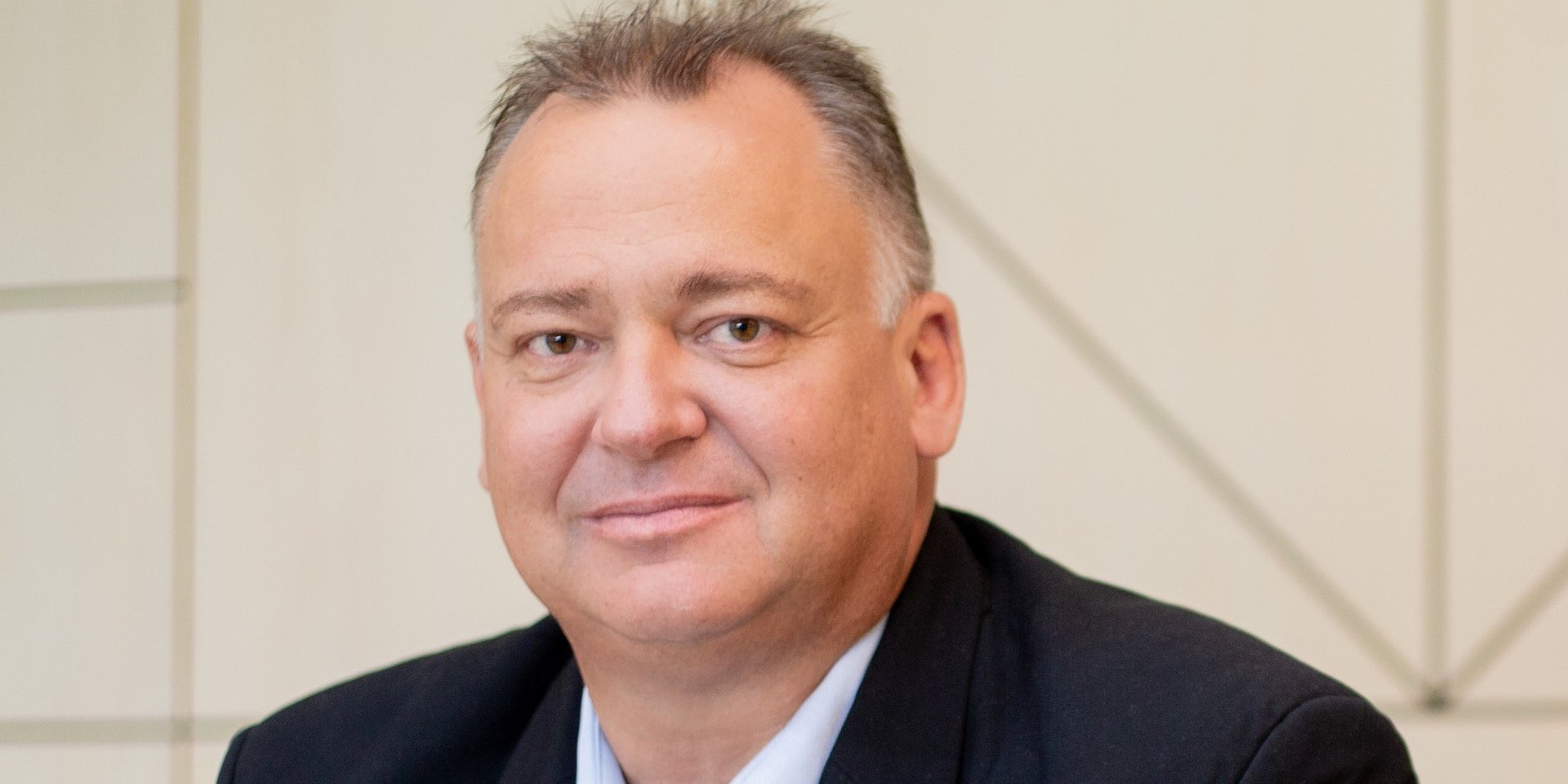
Enterprise software support is shifting from an IT procurement function to a strategic boardroom priority, as decisions around platforms like SAP, Oracle and VMware increasingly impact operational resilience, capital allocation and business competitiveness. According to Andrew Strachan of Spinnaker Support, organisations are adopting alternative support models to maintain stability while gaining greater control over the timing and value of major technology modernisation initiatives.
Johannesburg, South Africa – 25 March 2026 - Enterprise software support such as SAP, Oracle or VMware is increasingly becoming a board-level discussion as organisations recognise the strategic and financial implications of how core technology platforms are managed, says Andrew Strachan, Director, Sales of Spinnaker Support South Africa, which recently launched into the country with the backing of Africa Rainbow Capital.
For many years, enterprise software support has been treated primarily as a procurement exercise. Contracts are negotiated, renewals are processed, and the responsibility often sits within IT or vendor management teams. However, as enterprise platforms have become integral to business operations, the implications of these decisions now extend far beyond the technology department.
“Enterprise platforms today run finance, supply chains, customer billing, HR systems and regulatory reporting,” says Strachan. “When those systems change, the impact is operational, financial and reputational. That means the governance of these platforms is increasingly a board conversation rather than a procurement decision.”
Strachan notes that many organisations are finding themselves pushed into large upgrade programmes driven by vendor support deadlines, licensing changes or commercial shifts. When this occurs, what appears to be a technical decision can quickly become a significant capital allocation event.
“Boards are balancing multiple competing priorities, including investments in artificial intelligence, cyber resilience, automation and customer experience,” he explains. “When vendor-driven upgrade cycles arrive unexpectedly, they can divert capital and internal capacity away from initiatives that directly support growth and competitiveness and provide little tangible benefit.”
As a result, organisations are increasingly exploring alternative support models that allow them to maintain stable and secure environments while determining the timing of modernisation according to business priorities.
“The objective is not to avoid modernisation,” Strachan says. “It remains essential. The goal is to ensure that organisations can undertake it deliberately, when the value case is clear and when the business has the capacity to execute successfully.”
He adds that large upgrade programmes often carry operational risk, particularly when they are rushed or when internal capacity is limited. “Major platform transitions introduce complexity across the business. They can stretch scarce technical skills and increase the likelihood of outages, integration challenges or security vulnerabilities during migration windows,” Strachan says. “From a governance perspective, boards increasingly want to separate the question of how to keep the current environment stable and secure from the question of how to transform the business for the future.”
According to Strachan, this approach creates strategic breathing room for organisations to plan transformation initiatives more effectively while maintaining operational resilience. “Ultimately, the issue is about control,” he says. “Enterprises need the ability to decide when and how they modernise their core technology environments without being forced into programmes that the organisation is not ready to absorb.”
Strachan believes that as software becomes critical infrastructure across sectors such as banking, telecommunications, retail and manufacturing, enterprise software governance will continue to move into the boardroom.
“Upgrade timing, licensing structures and support models are no longer purely technical considerations,” he concludes. “They are strategic decisions that shape operational risk, capital allocation and long-term competitiveness.” Ends
About Spinnaker Support
Co-owned by African Rainbow Capital, Spinnaker Support (PTY) Ltd delivers, independent third-party software support, and expert services, for Oracle, SAP, and VMware into the South African and Sub-Saharan Africa markets. It is a subsidiary of Denver Colorado, USA-based Spinnaker Support LLC.
Trusted by companies worldwide, including those in highly regulated industries, Spinnaker Support empowers organisations to take control of their IT strategy. By breaking free from vendor-imposed roadmaps, aligning software management with business objectives, reducing costs, and maximising ROI, Spinnaker provides customers with the power of choice. With a strategic approach to security, performance, resource allocation, and managed services, Spinnaker Support ensures long-term IT efficiency and success.
For more information contact:
Samantha Hogg-Brandjes | GinjaNinja | +27844584857 | samantha@ginjaninja.co.za